
Trade
International trade depends on trusted paperwork.
Certificates of origin, inspection certificates, bills of lading and customs declarations move between exporters, inspectors, shipping lines and customs — and every one shapes a clearance decision.

The Trade Ecosystem
From the warehouse to the wharf, the same trust layer applies.

Exporter
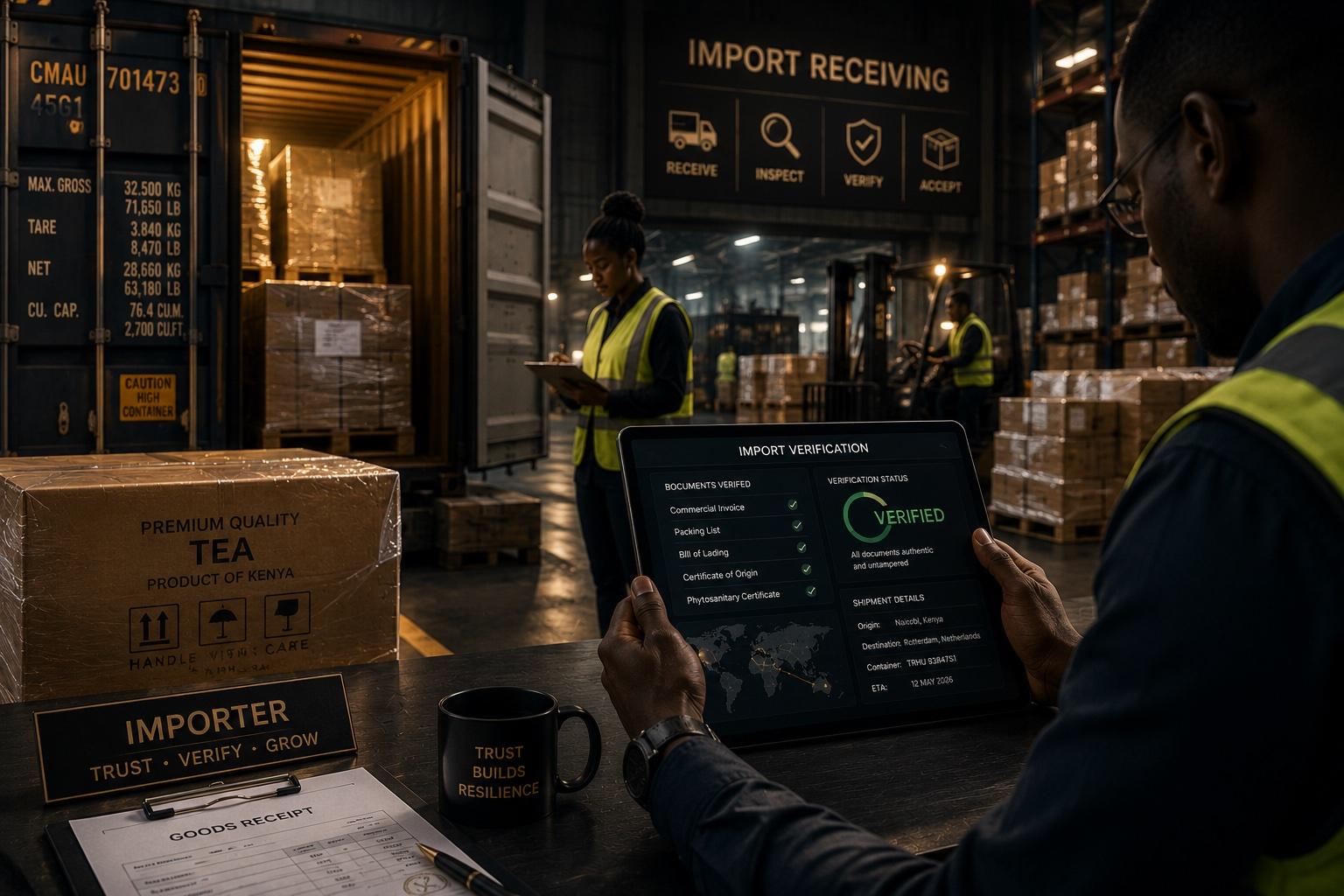
Importer
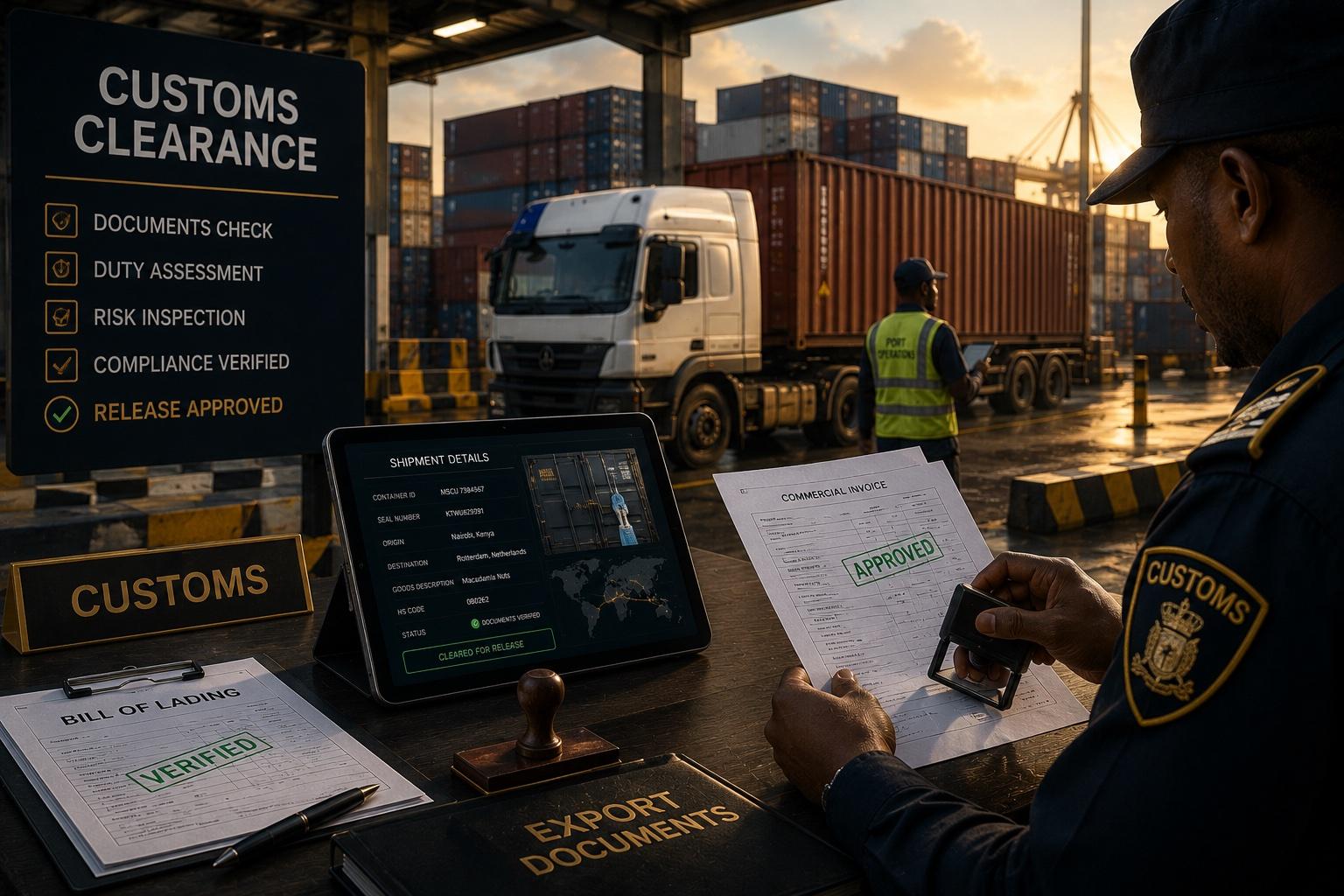
Customs
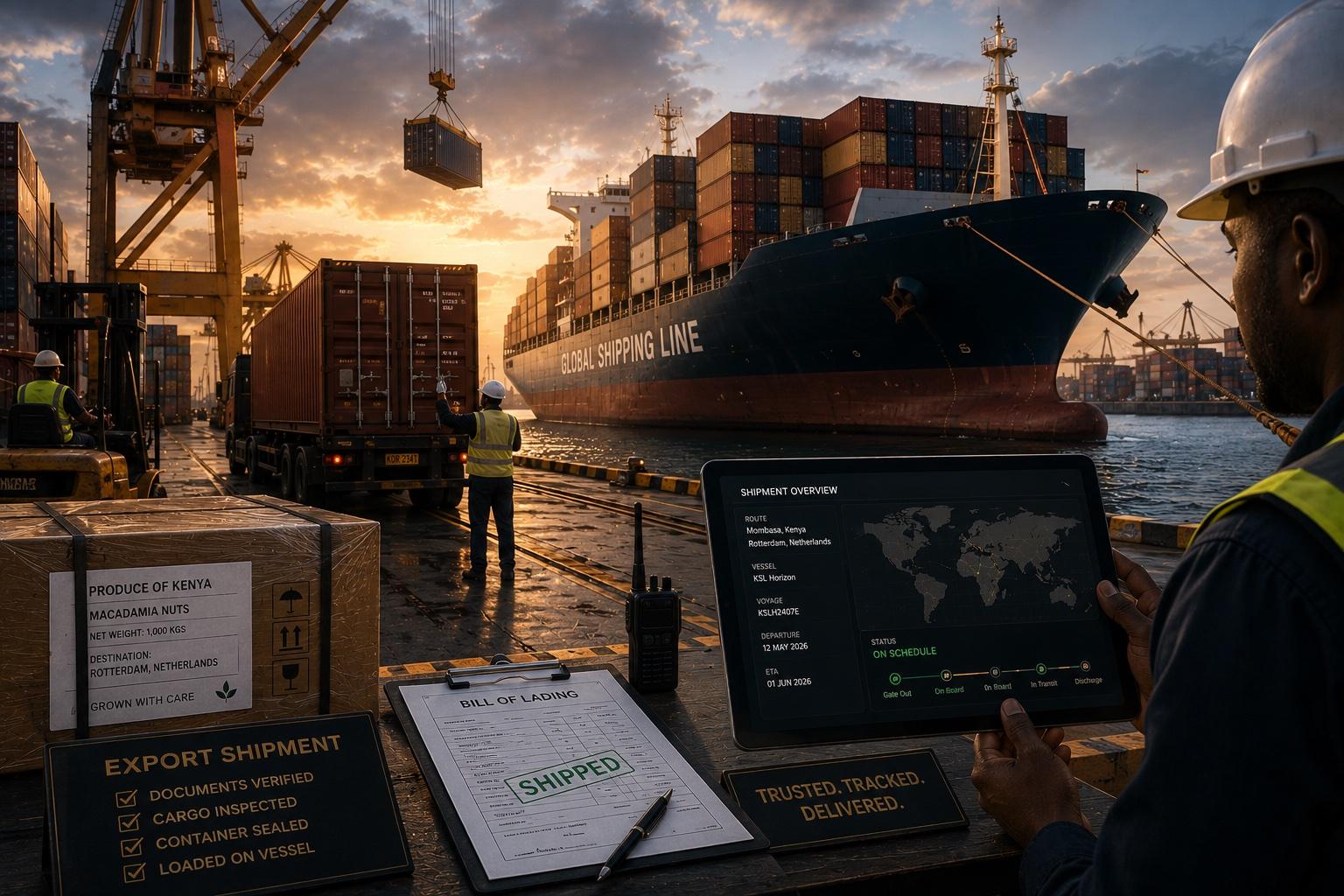
Shipping Line
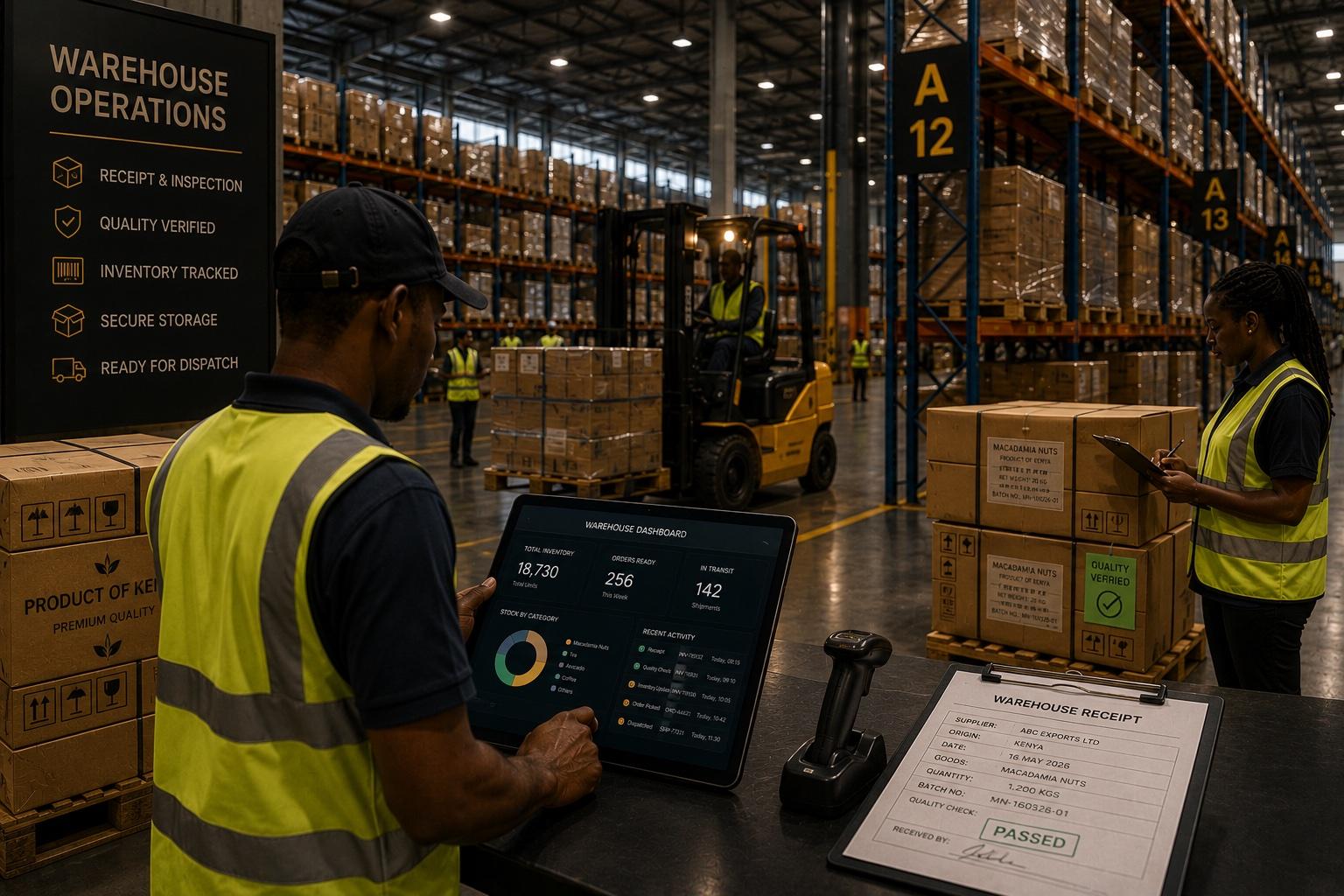
Warehouse
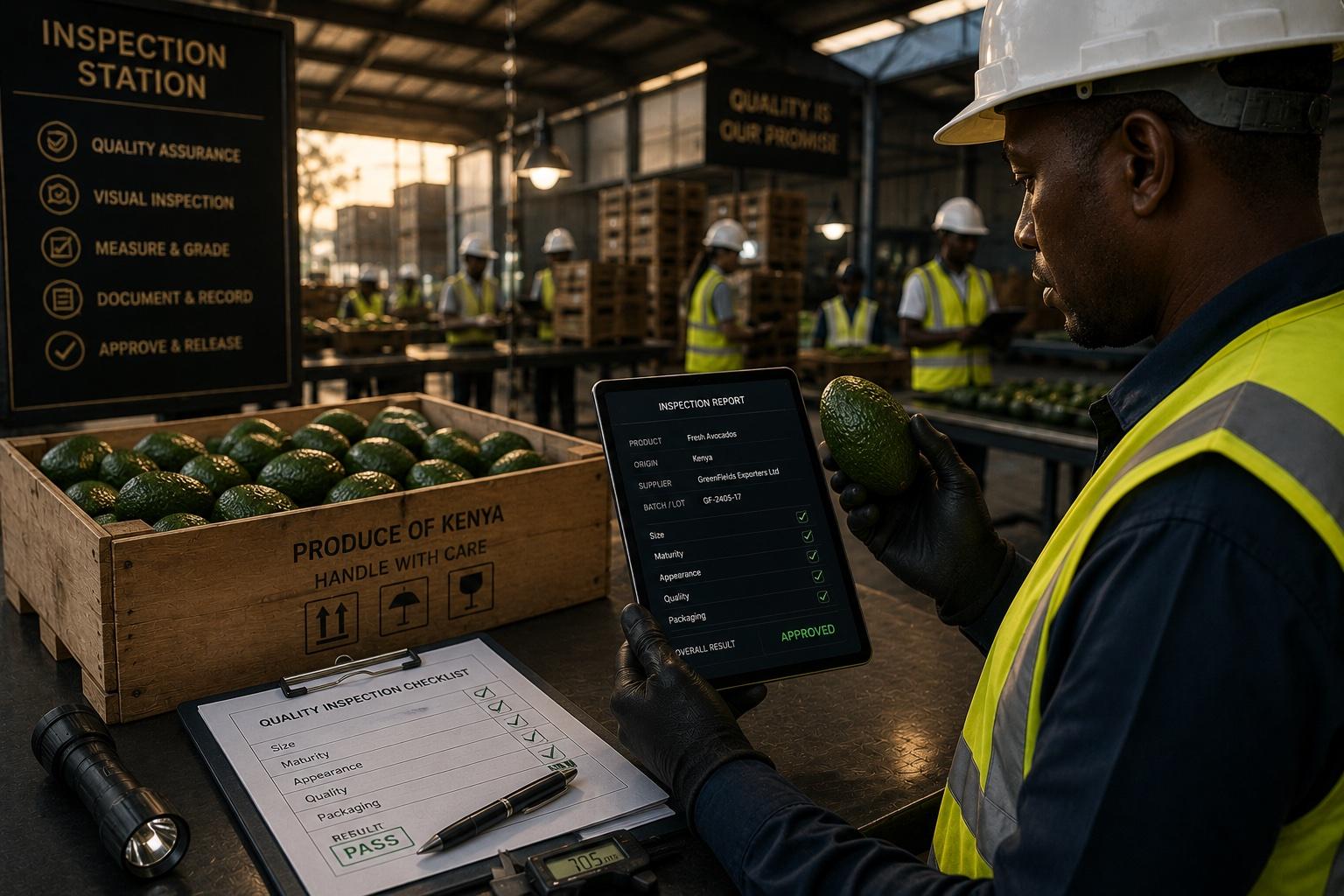
Inspector
Explore Trade Workflows
Built for trade, one workflow at a time.
Export Shipment
Shipping instructions and packing lists move from exporters into every shipment.
- Shipping InstructionExporter
- Packing ListExporter
Document Journey
How an export shipment moves from instruction to departure.
Kweli does not assess the condition or quantity of the goods described.
Business Impact
From a phone call to a cleared shipment.
Today
- Manual document checks at each border
- Phone or email confirmation with issuers
- Delays at customs
- Inconsistent document versions
With Kweli
- Independent document verification
- Faster customs clearance
- Stronger audit trail
- Detection of altered or unmatched documents
Implementation
One workflow, proven in practice — not a customs-wide overhaul.
Start with one document type, such as certificates of origin
Bring on a defined group of exporters
Train the trade operations team who process it
Track clearance time and exceptions at the border
Get Started
Ready to bring verification into your trade documentation?
Begin with certificates of origin and expand across shipping and customs.